

In this post: A round-up of the most famous Hispanic and Latino artists for kids to learn about.
Discovering the wonderful world of Hispanic and Latino artists is a great way to teach your kids about art and culture while supporting Spanish language learning.
In this post, we’re sharing 25 influential artists from Spain and Latin America that you can easily incorporate into your Spanish lessons at home. Who knows? You may find that your little linguist is also a budding artista as well!
Table of Contents
Benefits of Teaching Kids About Hispanic and Latino Artists
Teaching kids about famous Hispanic and Latino artists is a powerful way to combine language learning with cultural exploration. Through art, children can build meaningful connections to Spanish while developing their creativity and critical thinking skills.
Why should kids learn about Hispanic artists?
Learning about Hispanic artists helps kids connect language with culture, build vocabulary, and develop critical thinking through art discussion.
Including artist studies in your Spanish lessons:
- Builds cultural awareness and connection to the language, so they can gain a deeper understanding of the history and traditions.
- Expands Spanish vocabulary and grammar naturally through discussions of color, style, and emotions represented in famous artwork.
- Encourages creativity and self-expression by inspiring your child to create their own artwork.
- Supports critical thinking skills by inviting your child to observe, interpret art, and share opinions.
- Makes language learning fun, breaking up traditional lessons with engaging activities.
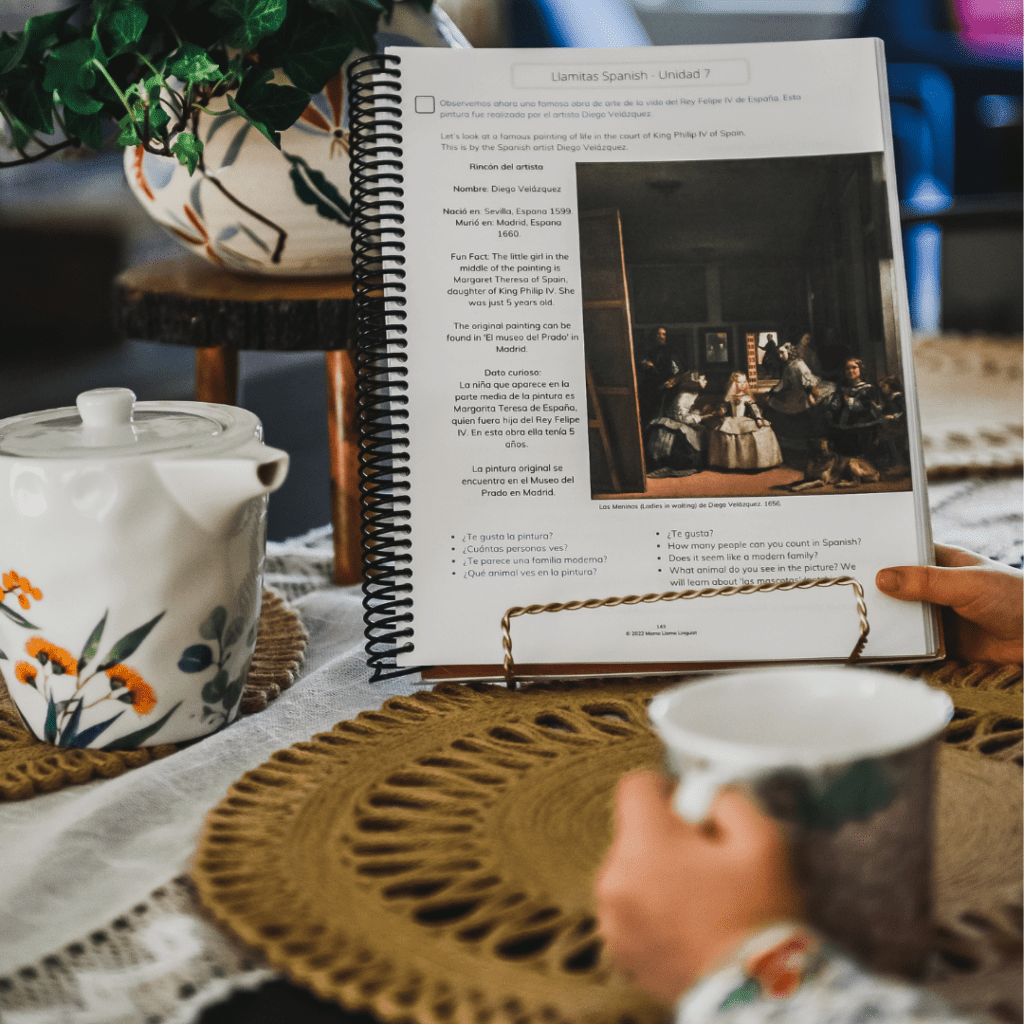
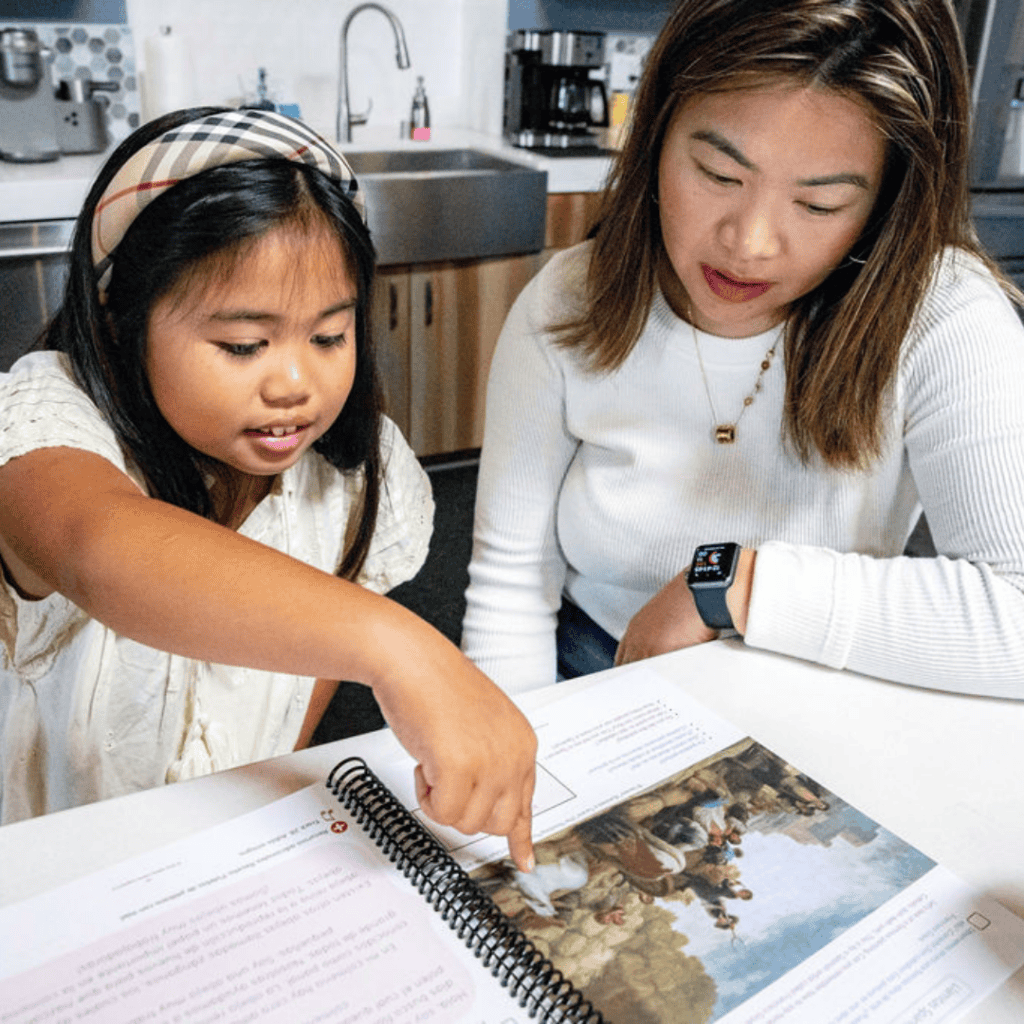
If you’re looking for an easy way to incorporate artist studies into your Spanish lessons, our Llamitas Spanish Curriculum includes a “Rincón del artista” in each unit—making it simple to connect language learning with art and culture.
Related post: How to Raise a Biliterate Kid: 5 Simple Steps for Bilingual Families
A Brief Introduction to Spanish and Latin American Art
Spanish and Latin American art are an important part of Hispanic and Latino heritage.
While most of the best-known Hispanic artists come from Spain, indigenous Latin Americans were making art even before the European colonists arrived. Once the Spanish and Portuguese landed in the Americas, the art of the region changed and began to reflect Spanish religion and culture.
Over the centuries, new art movements developed both in Spain and Latin America, and extended into the U.S. with the influx of many Hispanic and Latino communities.
You can find a wide array of movements represented across Hispanic and Latino artwork, including:
- Baroque
- Neoclassical
- Modernism
- Impressionism
- Expressionism
- Social Realism
- Surrealism
- Geometric Abstraction
- Pop Art
Our list of Hispanic and Latino artists includes a varied compilation of artists from Spain and Latin American countries ranging from the 16th Century to the present day.
Famous Spanish Artists (Hispanic Artists from Spain)
These famous Spanish artists offer a rich introduction for kids to Hispanic art and its global impact.
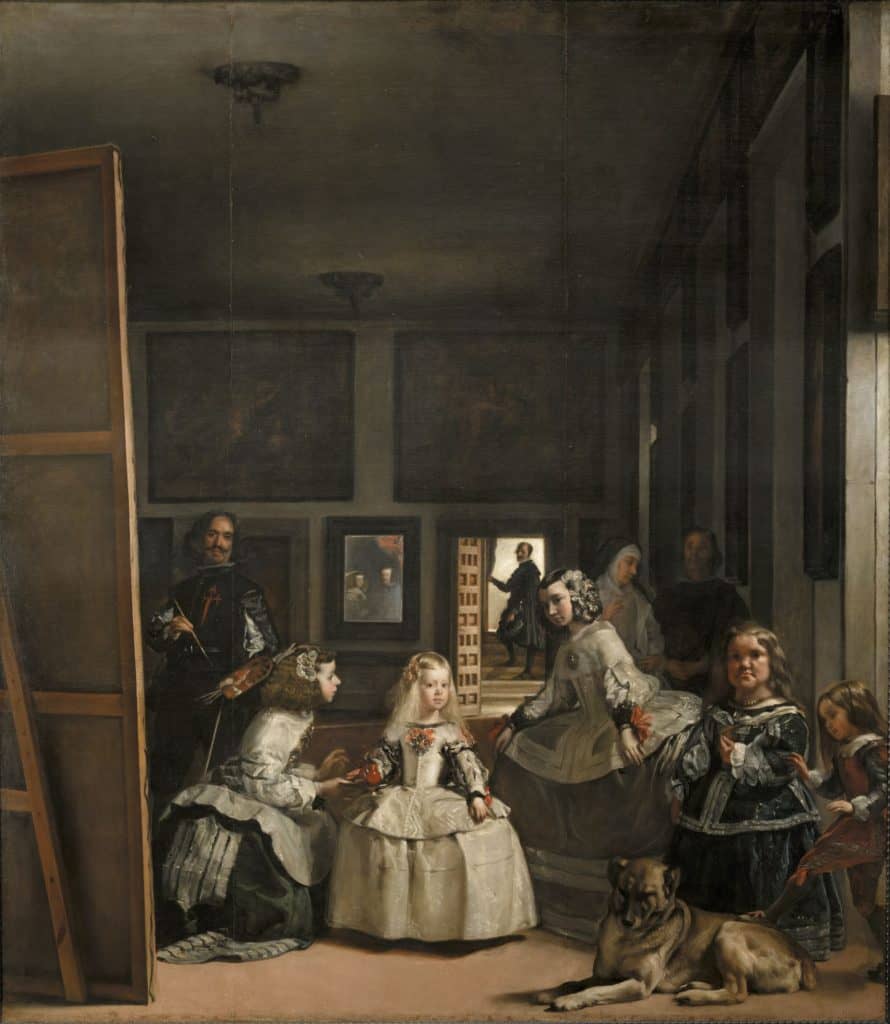
Diego Velázquez (1599 – 1660)
Back in the 1600’s, Diego Velázquez was the official painter in the court of King Philip IV and he is best known for painting many royal portraits.
Yet he also experimented with other styles of painting, such as the bodegón, or kitchen scene, and depicted still life images of different types of foods, or peasant women cooking.
Francisco Goya (Spain, 1746 – 1828)
Known as the last of the Old Masters, Goya is perhaps the most famous Spanish painter in history, and is best known for his Romantic-era paintings, drawings, and engravings depicting the historical events and social and political upheavals of his time.
His work is said to have a wide influence on modern and contemporary artists around the world.
Joan Miró (1893 – 1983)
A Spanish painter, sculptor and ceramicist, Joan Miró was born in Barcelona and became famous for his colorful, whimsical paintings that combined abstract art with Surrealist fantasy.
The Fundació Joan Miró museum, dedicated to his life and work, was officially established in his home city of Barcelona in 1975, and another museum known as the Fundació Pilar i Joan Miró, was opened in 1981 in his adoptive city of Palma.
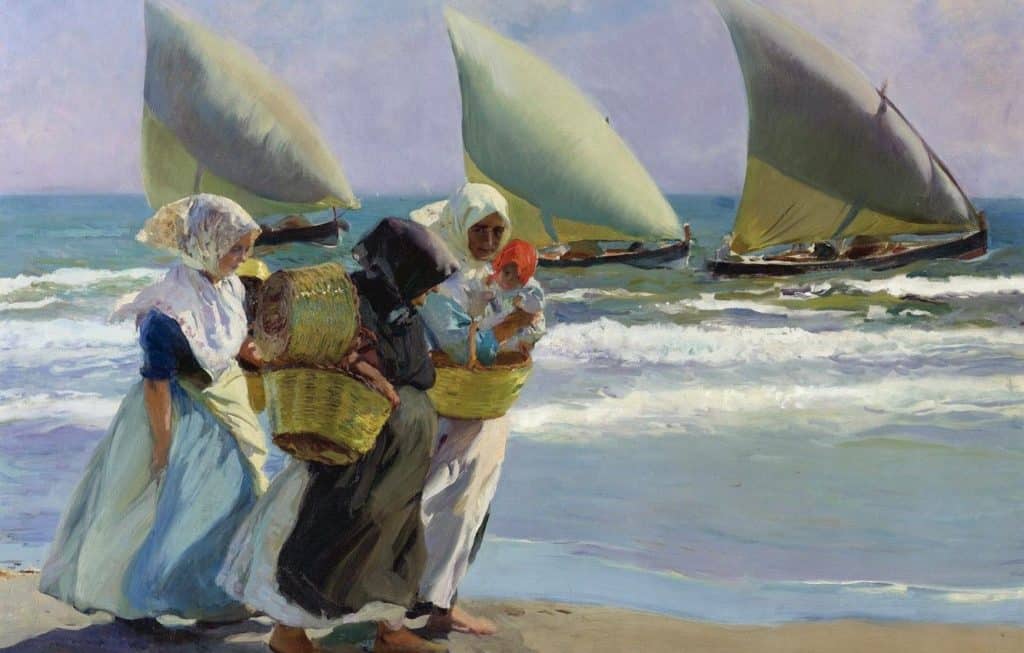
Joaquín Sorolla (1863 – 1923)
Joaquín Sorolla was a Spanish painter from the region of Valencia who specialized in portraits, landscapes, and monumental works covering social and historical subjects.
His work is classified with the movements of Impressionism and Luminism and is held in some of the world’s most important museums.
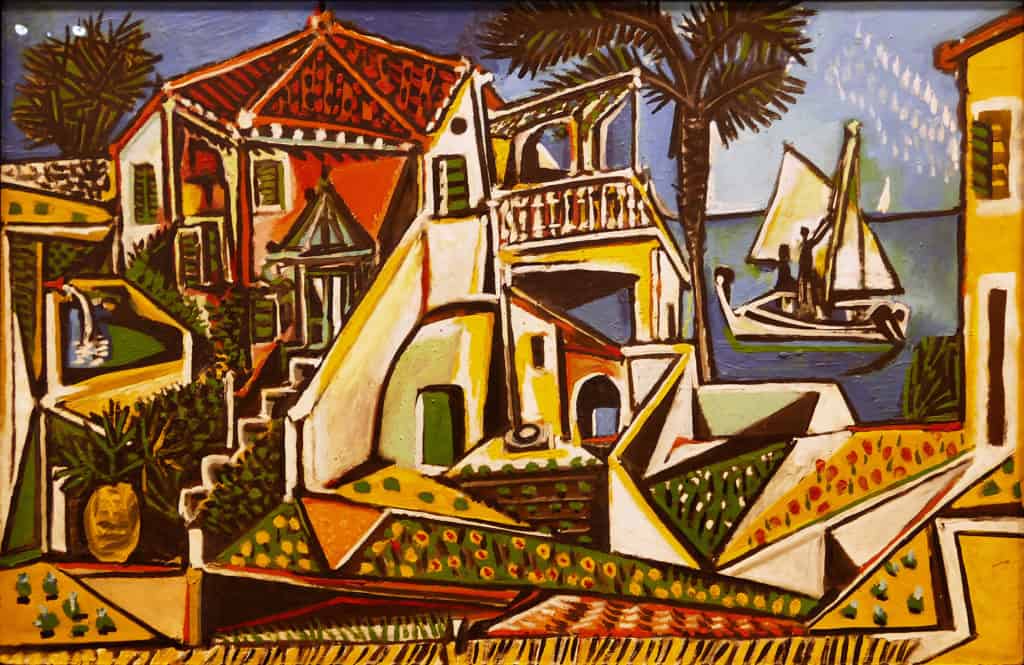
Pablo Picasso (1881 – 1973)
Perhaps one of the world’s most famous artists of all time, Picasso was a Spanish artist who produced paintings, sculptures, ceramics, and theater sets. Although he painted in a naturalistic style during his youth, he later developed a movement known as Cubism, which also influenced many other artists that came after him.
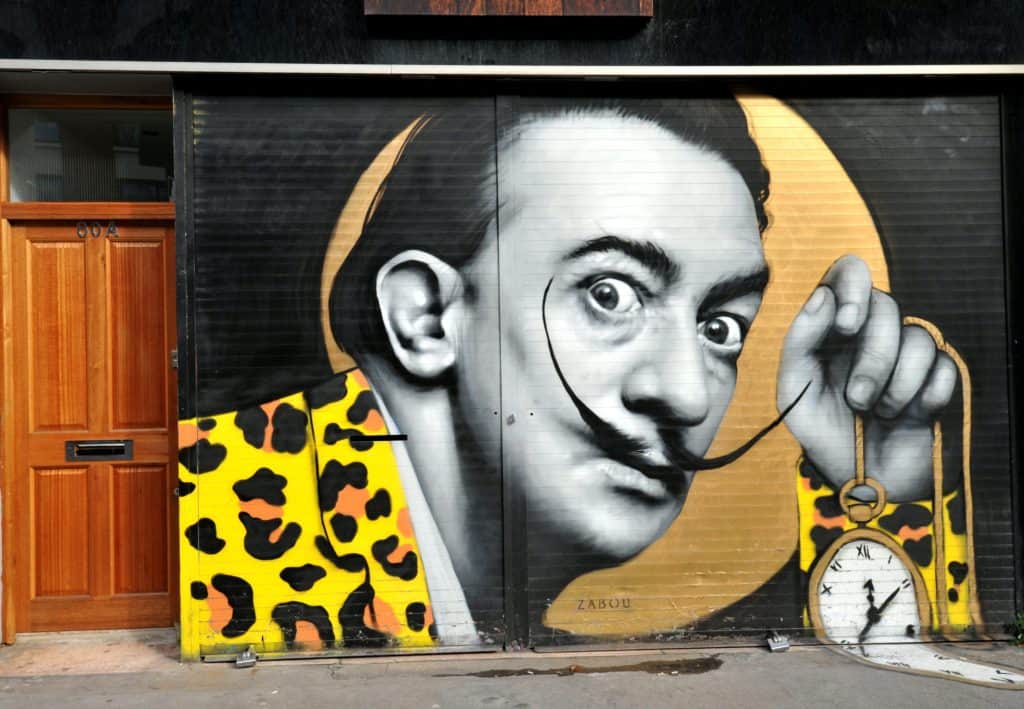
Salvador Dalí (1904 – 1989)
Salvador Dalí was born in Figueres, Catalonia, Spain, and formally studied fine arts in Madrid. Dalí went on to become the world’s most famous Spanish surrealist artist, and was renowned for his technical abilities, his precise draftsmanship, and the bizarre, dream-like images in his work.
There are several museums all around the world dedicated to Dalí and his art, including one in Paris, one in his home city of Figueres, and one in St. Petersburg, Florida, among many others. His work is also exhibited in major museums all over the world.
Remedios Varo (1908 – 1963)
A Spanish-born Mexican artist, Remedios Varo lived and worked in Spain, France, and Mexico, specializing in surrealist paintings which eventually led to her international fame.
Her work expresses her interest in magic, mysticism, and the power of nature. She died at the peak of her career, and the Museum of Modern Art in Mexico City held a retrospective of her work in 1971. Her work continues to be exhibited in museums around the world today.
Famous Latin American Artists (Latino Artists)
Amelia Peláez (Cuba, 1896 – 1968)
Born in Cuba, Amelia Peláez studied art in Paris and is best known for her European Modernist paintings that depict the everyday people of Cuba. Her works are held in famous museums such as the Museo Nacional de Bellas Artes in Havana, Cuba, and the Museum of Modern Art in New York City.
Beatriz González (Colombia 1938 – 2026)
Born in Colombia, Beatríz González was a painter, sculptor, art critic, curator and art historian, best known for her bright and colorful Pop Art paintings that illustrate life in Colombia. Her work is known and exhibited in museums worldwide.
Belkis Ayón (Cuba 1967 – 1999)
The highly talented Cuban artist Belkis Ayón died a premature death, but she left a great body of work, mostly of prints made using a specialized printmaking process called collagraphy, which combines printmaking techniques with collage. Her work is held in collections at museums all around the world.
Carmen Herrera (Cuba 1915 – 2022)
Carmen Herrera lived to be over 100 years old. Born in Cuba, she moved to New York early in her career and became famous for her bold and colorful Geometric Abstraction paintings, which she still exhibits around the world today.
Clara Ledesma (Dominican Republic, 1924 – 1999)
Clara Ledesma was one of the first women to ever attend the National School of Fine Arts in Santo Domingo, and graduated in 1948. As a painter, she explored different styles, such as Expressionism, Surrealism, and Abstraction. Her brightly-colored paintings take us to other worlds filled with magic and mysticism.
Diego Rivera (Mexico, 1886 -1957)
One of the most famous Mexican painters in the world, Diego Rivera was a painter and muralist whose work may be seen in murals across many countries, as well as art museums around the world. His work represents various art movements, including Mexican muralism, Cubism, Modern art, Realism, Impressionism, Post-Impressionism, and Social realism.
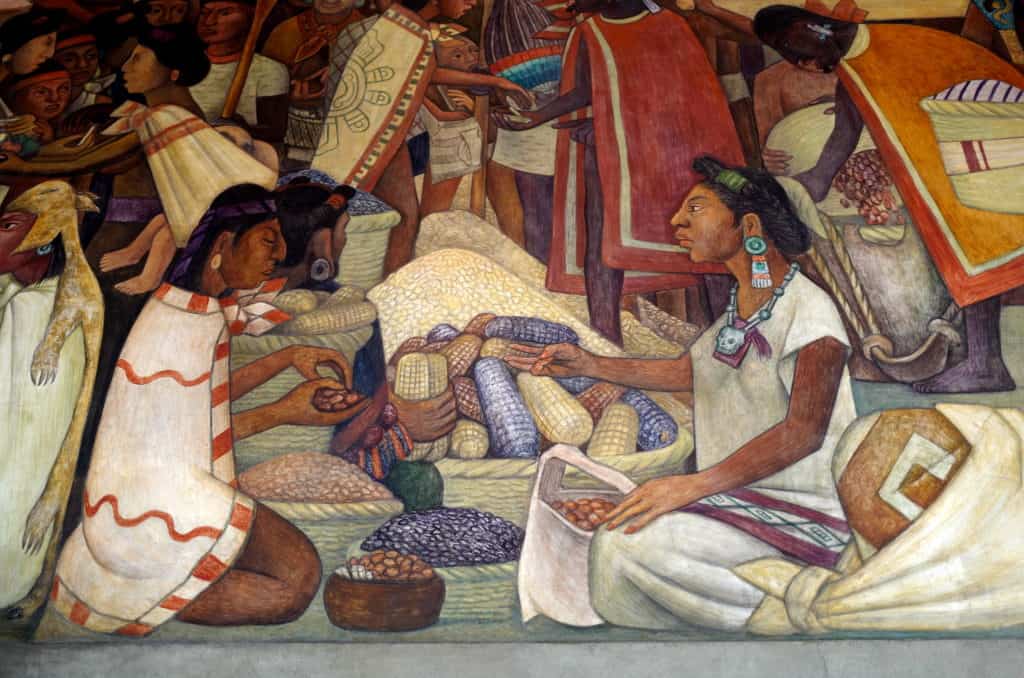
Fernando Botero (Colombia, 1932 –2023)
One of the best known contemporary Latino artists, Fernando Botero was born in Colombia and created a signature style known as “Boterismo” which depicts people and figures as exaggeratedly large and round.
Botero’s humorous art is said to represent political criticism or satire in many cases. His work is exhibited internationally and is held in many art museums around the world.
Frida Kahlo (Mexico, 1907 – 1954)
Disabled after a terrible accident in her youth, Frida Kahlo became one of the most famous women painters from Latin America.
Best known for her many self- portraits, as well as portraits of others, Frida’s work was highly personal, and also had political motivations. Her work is exhibited in museums around the world, and many books and films have been released about her life and work.
Check out our Frida Kahlo Unit in celebration of Hispanic Heritage Month.

José Clemente Orozco (Mexico, 1883 – 1949)
Known for his murals and his participation in the founding of the Mexican Mural Renaissance movement, José Clemente Orozco was a Mexican painter and illustrator who specialized in political murals.
Many of his murals are carefully preserved today in public locations across Mexico City and other cities, including cities in the U.S.
Leonora Carrington (Mexican born in the UK, 1917 – 2011)
Born in the U.K., Leonora Carrington was a Mexican painter, artist, and novelist best known for her surrealist paintings.
She spent most of her adult life in Mexico City and was one of the last surviving participants of the Mexican Surrealist movement that was highly popular during the 1930s.
Her work is held in museums around the world, including the National Museum of Women in Washington, DC.
Luz Donoso (Chile, 1921 – 2008)
A Chilean graphic artist, muralist, teacher, and political activist, Luz Donoso devoted her life and work to creating politically and socially motivated paitings and murals depicting the lives and struggles of everyday people.
She was one of the most prominent participants in Chile’s muralist movement during the 1960s.
Margarita Azurdia (Guatemala, 1931 – 1998)
Margarita Azurdia was a Guatemalan artist who also worked under the pseudonyms Margot Fanjul, Margarita Rita Rica Dinamita, and Anastasia Margarita.
She was a feminist painter, sculptor, poet, and performance artist. Her large-scale abstract paintings combined Geometric Abstraction with indigenous textile designs from her native Guatemala.
Her work is held in such important museums as Museo Nacional de Arte Moderno Carlos Mérida in Guatemala City, and Colección de Arte del Banco de la República de Colombia in Bogotá, among many others.
María Izquierdo (Mexico, 1902 – 1955)
This Mexican painter is known for her bold, colorful portraits and Surrealist paintings. She began her career as a single mother with three children, and in 1930, she became the first Mexican woman artist to ever have a solo exhibition in New York City.
After a period of obscurity, her work has resurfaced and is being exhibited in museums around the world.
Teresa Burga (Peru, 1935 – 2021)
Teresa Burga is known for her experimental avant-garde works that span the techniques of drawing, painting, sculpture, and conceptual art. Born in Peru in 1935, Burga joined with other artists to found the Arte Nuevo collective in Lima, Peru.
The group explored such artistic influences as Pop, Minimalism, and Op Art. After her recent death in 2021, museums around the world are now hosting retrospective exhibitions of her work.
Wifredo Lam (Cuba, 1902 -1982)
Cuba’s most famous painter, Wifredo Lam was born to a family of African, Spanish and Chinese heritage, and developed a unique artistic language fusing influences such as Modernism with Cubism and Abstraction.
Though he was known mainly as a painter, he also created sculptures, ceramics and prints. His work is characterized primarily by abstract, hybrid figures and his visual style has influenced generations of artists around the world.
Zilia Sánchez (Cuba, 1926 – 2024)
Zilia Sánchez was a Cuban painter who is best known for her Geometric Abstraction paintings. After moving to New York in 1964, she later settled in Puerto Rico and lives there to this day. Now in her 90’s, her work is exhibited and celebrated all over the world.
Latino & Hispanic Artists in the United States
Many Hispanic and Latino artists in the US have helped shape contemporary art, blending cultural influences and exploring themes of identity and heritage.
Jean-Michel Basquiat (1960 – 1988)
An American artist born in the U.S. to Puerto Rican and Haitian parents, Jean-Michel Basquiat became one of the most successful contemporary painters of his time during the 1980s.
His style of painting is considered Abstract Neo-expressionism. This artist died at a young age, but left a prolific body of work that is exhibited throughout the world in many museums and art galleries.
Marisol Escobar (Venezuelan-American, 1930 – 2016)
Marisol, born Maria Sol Escobar, was born in Paris to a wealthy Venezuelan family, and arrived in New York in the late 1950s, where she became a friend of Andy Warhol and an influential figure in the Pop Art scene.
Her playful, satirical paintings and sculptures combined pre-Columbian folk art with Pop influences. After being almost forgotten for decades, art collectors and museums have rekindled an interest in her work.
Related post: Here’s Why Thematic Spanish Lessons for Kids Actually Work
Make Spanish Learning Come Alive Through Art
Want to make learning about Hispanic and Latino artists easy and fun for your kids?
At Llamitas Spanish, our open-and-go Spanish curriculum includes built-in artist studies, discussion prompts, and cultural lessons. These thematic lessons for kids teach Spanish across subjects, including art, music, literature, and more—without any extra planning or prep.
Explore our curriculum levels today and bring Spanish to life through art!
Related Posts:
Hispanic Heritage Month Books for Kids
17 Hispanic/Latino Poets You Should Know
Maya is an artist and freelance writer from Cuba who has worked in Art Education, Language Education, Simultaneous Interpretation, Subtitling, and Literary Translations. She is also a Mom and Abuela, committed to providing resources for homeschooling parents (such as her own daughter!) and to all who value the conservation of her beautiful, native Spanish language.